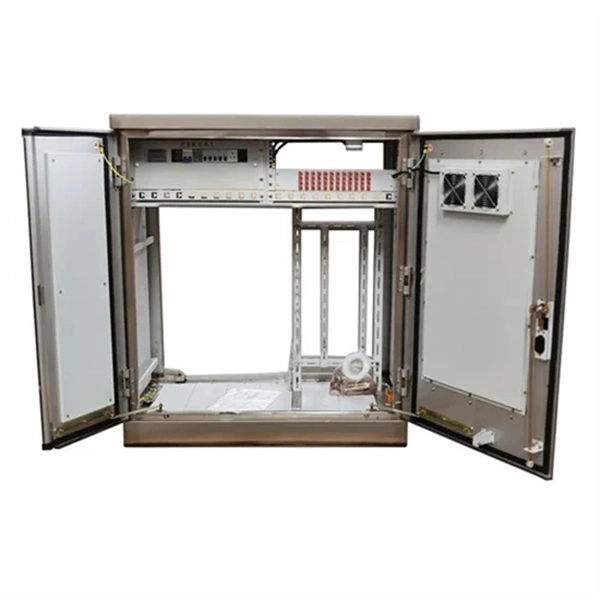
Low-voltage busbar interconnection provides a modular, efficient, and safe method for distributing electrical power in industrial and commercial installations.
Overview of Busbar Systems
A busbar is a solid conductive bar, typically made of copper or aluminum, used to centralize and distribute electrical current in low-voltage systems (up to 1000 V AC or 1500 V DC) efficiently. Busbars replace multiple cable connections, reducing clutter, improving reliability, and ensuring symmetrical current distribution. They are commonly used in switchgear, control gear assemblies, and power distribution networks.
Interconnection Methods
Modular Busbar Systems
Modern low-voltage busbar systems are modular, allowing easy assembly and expansion. Components include: Busbar supports and inlays: Secure the bars and provide insulation and finger-safe protection. Trunking units: Enclose busbars for horizontal or vertical distribution, often with IP66 protection for dust and water ingress.
Adapters and reducers: Connect busbars of different types or current ratings while maintaining electrical continuity. Tap-off units: Allow connection of external loads at defined positions along the busbar trunking, typically protected by overcurrent devices.
Connection Considerations
Symmetry: Ensure equal current sharing in multi-branch systems to prevent hotspots and imbalance. Cross-sectional sizing: Determined by continuous current requirements and current density guidelines (e.g., 1. 5–2.
5 A/mm² for copper in enclosed environments),. Thermal limits: IEC 61439 specifies maximum operating temperatures (e.g., 140°C for busbars at full load) and requires verification of thermal performance. Diversity factor: Used to calculate main busbar current based on total equipment load, reducing oversizing.
Standards and ComplianceIEC 61439: Defines design verification, testing, and thermal performance for low-voltage busbar assemblies.
BS E
N 61439-6: UK-specific standard aligned with IEC 61439, covering safe installation, tap-off units, fire barriers, and interconnection practices. Compliance ensures electromagnetic compatibility, corrosion resistance, and safe operation under rated loads.
Advantages of Busbar Interconnection
Reduced installation time and labor compared to multiple cable runs. Scalability: Easy to extend or reposition distribution outlets. Safety: Finger-safe covers, fire barriers, and standardized tap-off units.
Efficiency: Lower voltage drop and heat generation due to solid conductive paths. Integration with digital tools: Planning software (e.g., SIMARIS) allows digital twin modeling, energy monitoring, and IoT integration.
Practical Tips
Plan busbar layout to minimize hotspots at terminations and studs. Use modular adapters to connect different busbar types or ratings safely. Verify thermal and current ratings against IEC/BS EN standards.
Consider future expansion and tap-off flexibility during initial design. In summary, low-voltage busbar interconnection provides a reliable, modular, and standard-compliant solution for distributing electrical power efficiently, with advantages in safety, scalability, and operational monitoring. Proper design, sizing, and adherence to IEC 61439 or BS EN 61439-6 standards are essential for optimal performance and longevity.